Understanding Credit Titles in Brazil
If you are a foreign company or investor trying to recover unpaid money in Brazil, understanding credit titles is essential. In Brazilian practice, a credit title is a document that proves a debt and, in many cases, can be enforced more quickly than an ordinary claim. Knowing which document you have can make a major difference in your debt collection strategy.
At Debt Collection in Brazil, we help foreign creditors identify the best legal path for recovery, evaluate the strength of each document, and take practical action to recover outstanding amounts efficiently.




Main Types of Credit Titles in Brazil
Brazil recognizes several types of documents that may qualify as credit titles. Some are traditional commercial instruments, while others are contractual documents that include a clear obligation to pay. The right classification depends on the origin of the debt, the wording of the document, and the evidence available.
1. Promissory Note
A promissory note is a written promise to pay a specific amount to a creditor on a defined date or under defined conditions. It is one of the most straightforward credit titles because it clearly identifies the debtor, the amount due, and the payment obligation. When properly drafted, it can support efficient debt enforcement.
2. Cheque
A cheque is a widely known payment instrument and may also serve as a credit title when it is dishonored. In debt collection cases, a returned cheque can be powerful evidence of non-payment. However, recovery timing and legal options depend on issue dates, presentation rules, and the facts surrounding the transaction.
3. Duplicate Invoice
The duplicate invoice, often used in commercial transactions, is closely linked to the sale of goods or services. It may be enforceable when the underlying sale or service has been properly documented. For foreign companies supplying products or services in Brazil, this instrument is especially relevant in commercial debt recovery.
4. Contractual Debt Acknowledgment
A contract that includes a clear debt acknowledgment can also function as an enforceable credit title. This is especially important in cross-border business relationships, where invoices, purchase orders, service agreements, and signed acknowledgments may together create a strong recovery position.



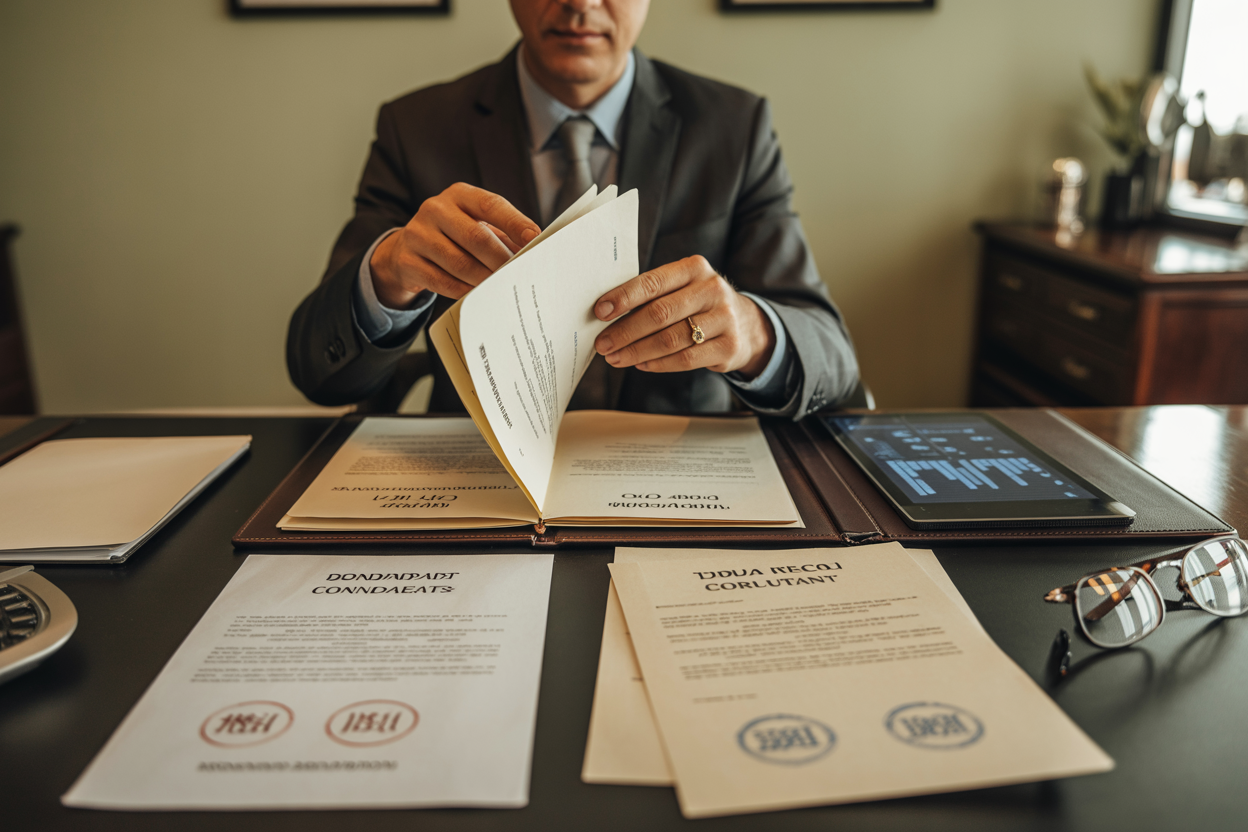
Why the Type of Credit Title Matters for Debt Collection
Not every debt document has the same legal weight. Some titles support faster enforcement, while others require deeper proof of the underlying transaction. That is why proper analysis is critical before sending a demand letter, filing a claim, or starting judicial collection procedures.
For foreign creditors, the challenge is often not only collecting the debt but also understanding how Brazilian law treats the document, which deadline applies, and whether the debtor can be reached through negotiation or formal enforcement.
How Foreign Creditors Can Recover Debt in Brazil
Our approach is designed to protect your time and improve your chances of recovery. We begin by reviewing the documents, identifying the applicable credit title, and determining whether an extrajudicial or judicial collection strategy is more effective.
- Document review and debt validation
- Classification of the applicable credit title
- Pre-litigation demand and negotiation
- Enforcement planning and legal support
- Ongoing communication in English
This process helps foreign businesses avoid delays, reduce uncertainty, and pursue payment with a structured plan tailored to the Brazilian market.




Work With a Professional Debt Collection Team in Brazil
If you hold unpaid credit titles in Brazil, do not wait until the situation becomes harder to enforce. The sooner you identify the document type and take action, the better your chances of recovery.
Need help collecting a debt in Brazil? Contact our team today for a professional review of your documents and a tailored recovery strategy for foreign creditors.